
Priority 2: A Greener Neighbourhood
From Autumn 2025 to Spring 2027 we are working with the community to make Swiss Cottage and South Hampstead a greener place.
Applications are now open to run local green projects!
Scroll down for details
Swiss Cottage and South Hampstead’s Citizens’ Assembly
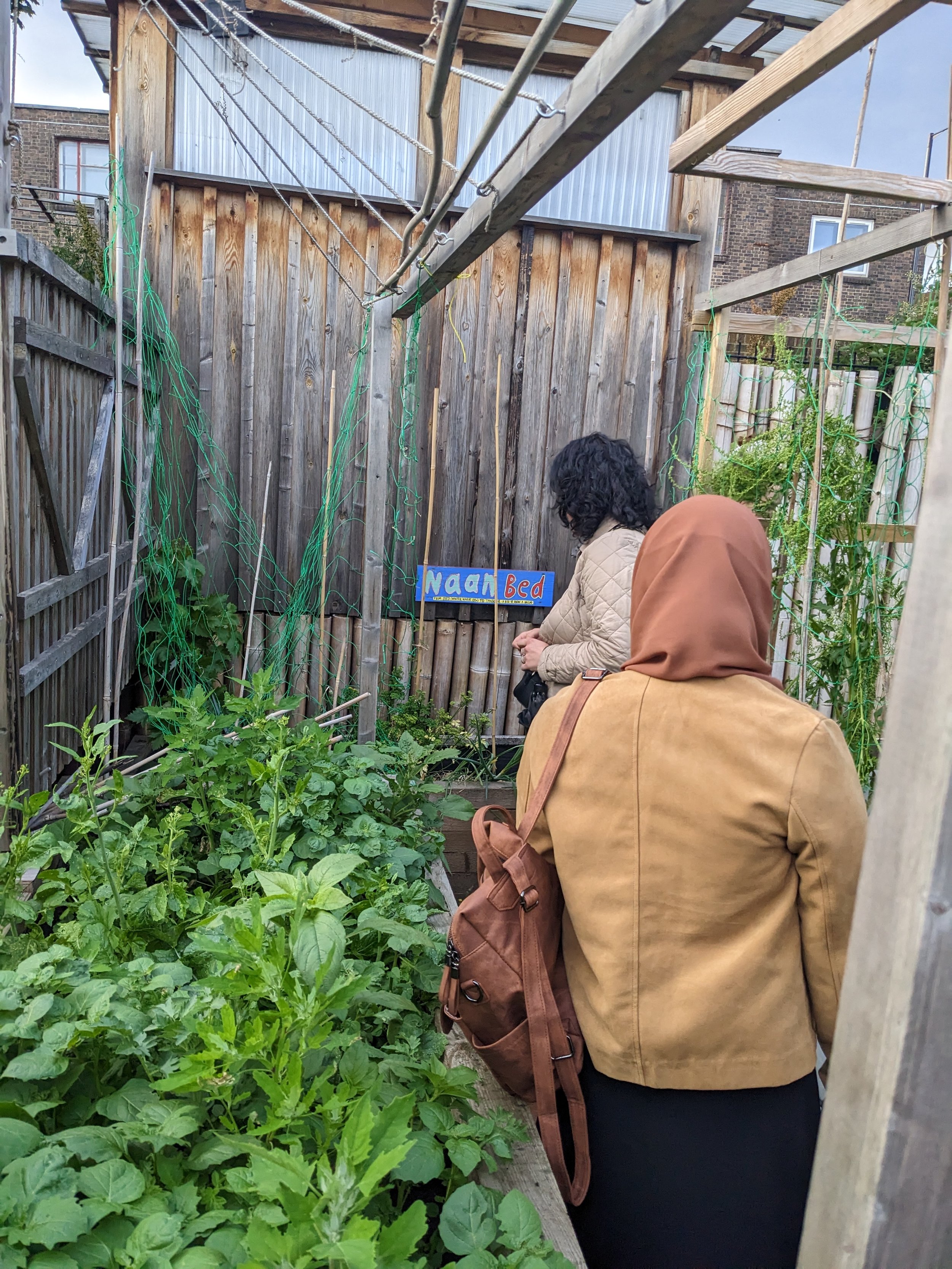
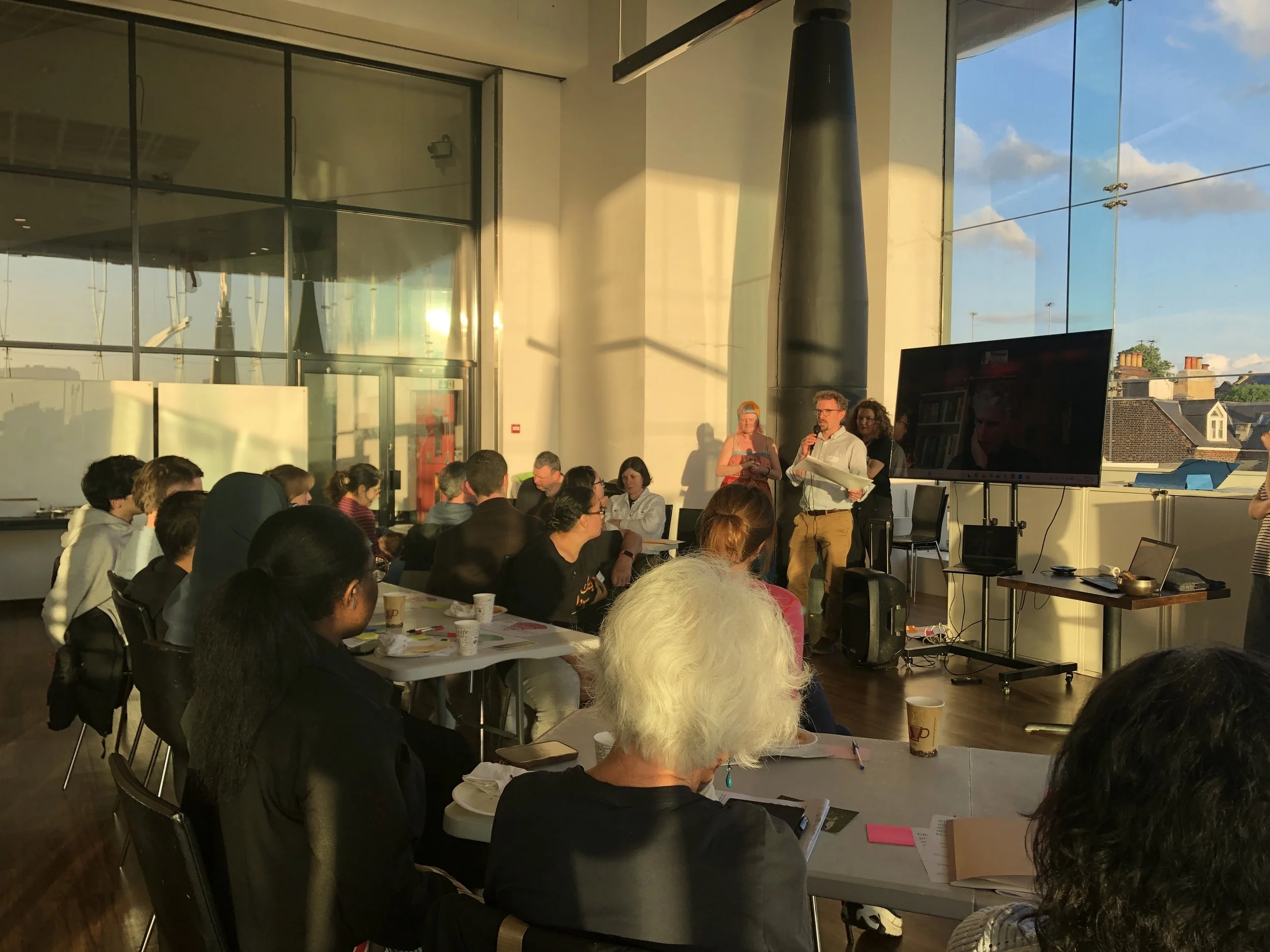
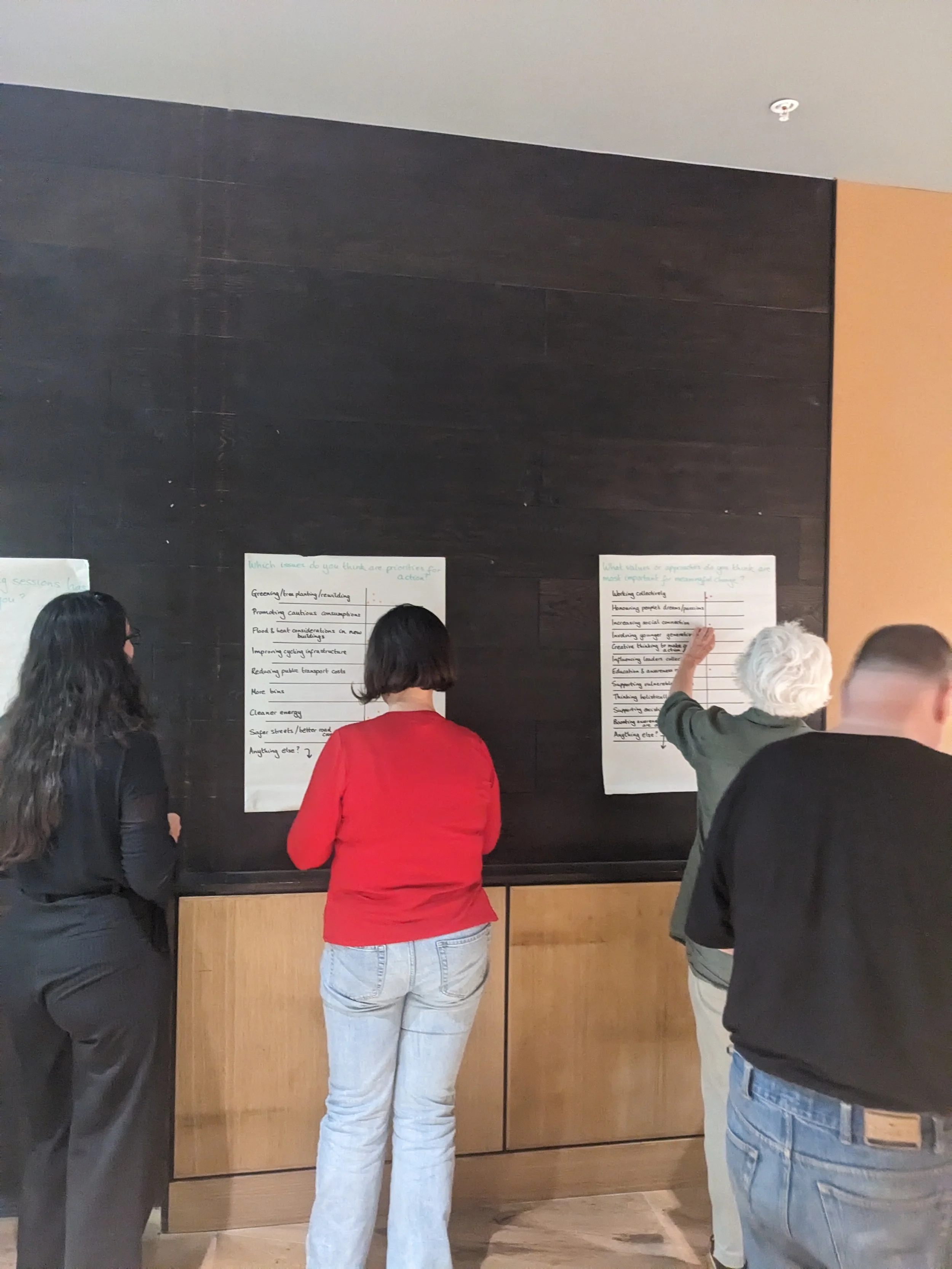
Between May and July 2026, we facilitated a Citizens' Assembly focused on how residents and decision makers can work together to make Swiss Cottage and South Hampstead a greener place.
20 local residents, selected to broadly represent the neighbourhood through sortition, came together over 30 hours to learn about local environmental issues, hear from experts, deliberate and develop recommendations for action. Together, they produced 22 recommendations: some for organisations such as Camden Council, Transport for London (TfL) and local businesses, and others for local residents to lead themselves.
Before the Assembly took place, we also engaged more than 150 local residents to help shape the learning programme, ensuring it reflected the environmental priorities of the community.
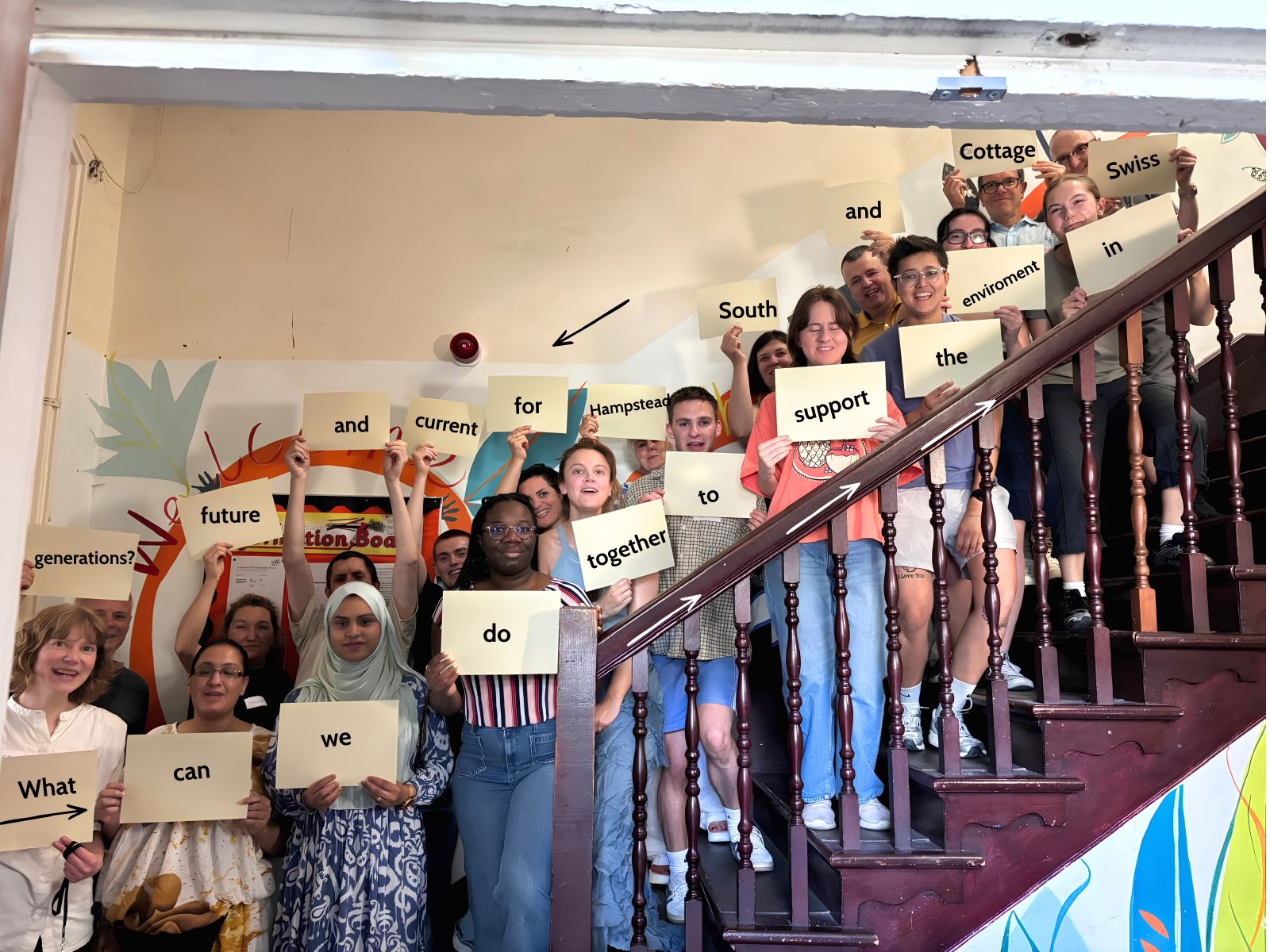
The Assembly explored one key question:
What can we do together to support the environment in Swiss Cottage and South Hampstead for current and future generations?
The recommendations
The Assembly made recommendations across five key themes:
Using roads differently: reducing traffic, improving air quality and making it easier to walk, wheel and cycle.
Energy and retrofit: making homes warmer, more energy efficient and more resilient to climate change.
Flood and heat adaptation: increasing green space, shade and sustainable drainage.
Waste: reducing litter and preventing food waste.
Community growing and biodiversity: creating more opportunities for nature, food growing and community action.
You can read the full recommendations below. They are written in the own words of the assembly members.
Recommendations for Resident-led projects
-
We recommend that residents support schools to set up walking and/ or cycling ‘buses’ for school children in our area.
We recommend that a group of residents work with Camden Cyclists and with TfL to better understand where more bike racks on the Finchley Road are needed.
-
We recommend that a group of resident volunteers work with the Council to improve local knowledge about energy efficiency of homes and the financial support available to improve energy efficiency and resilience to overheating.
-
We recommend that a group of resident volunteers be set up to work with supermarkets, restaurants and caterers to collect products that would otherwise be wasted, to be distributed to residents in need or local charities. The scheme would benefit from support and expertise from the Council as well as from organisations like co-ops, food banks and charities that specialise in this field, to collaborate in the logistics of storage and distribution.
We recommend a resident-led monthly litter picking activity which includes resident volunteers of all ages. The Council/ Veolia should support by providing the equipment and disposal of the rubbish afterwards. We recommend a gamified system that would reward participants for collecting, to make the experience competitive and fun and bring the neighbourhood together. The Health and safety considerations make the provision of the right equipment essential for the success of this.
-
We recommend the development of a permanent community garden, for example in the space by Broadhurst Gardens next to the train tracks, for growing and community activities particularly with young people, with a dedicated volunteer who can manage the space.
We recommend installing a mobile community garden in a meanwhile space e.g. on O2 Centre land, for growing, food share and activities, based on the R-Urban model in Poplar where they use adapted shipping containers. This would be able to relocate locally if required. This seems more achievable and cheaper than building a permanent garden, we were inspired by R-Urban in Poplar which started with one shipping container in a car park and has become a multi-use space.
Recommendations for Decision-makers
-
We recommend that TfL work collaboratively with Camden Council and third sector organisations focused on accessibility to improve the accessibility of public transport for residents in Swiss Cottage and South Hampstead. This could include improving step-free access to stations and targeted reduction of costs for vulnerable groups.
We recommend that the Swiss Cottage Gyratory is reconfigured in the long term and that TfL and the Mayor work towards this. This should prioritise flood and heat mitigation, including planting trees; green space; improving safety for all. In the short term, the reasons that the CS11 Cycleway plan failed previously in court should be explored deeply to ensure that the challenges raised by Westminster Council can be overcome. This needs to include cost-effective modelling of traffic flows. We considered whether increasing green space in the gyratory area may increase anti-social behaviour and would like planning to bear this in mind, on balance we thought that the benefits would far outweigh the risks.
We recommend that TfL and the Council improve cycling infrastructure on the Finchley Road, making it safer.
We recommend that TfL develop a map of cycle racks in a way that connects to TfL Journey Planner and Citymapper, so that people can make better choices about cycling to their destination, knowing that there are racks available.
We recommend that the Council and TfL add crossings on perpendicular roads to Finchley Road to allow residents to cross safely around the key hubs into the main road. For example, on Fairfax Road and Goldhurst Terrace and on Hillgrove Road between the estate playground and the other side of Hilgrove Estate.
-
We recommend that the Council appoint specialists to audit housing estates and develop a retrofit programme. This is to address mould; insulation and energy efficiency; ventilation and heat retention; noise pollution. It should involve consultation with residents.
We recommend that once a retrofit programme has been completed [see recommendation on retrofit above], the Council pilot a solar panel programme on one of the Council estates in the neighbourhood, using roof space which is currently unused. Residents of the estate can have the option to have their homes powered by solar, with a reduction on their bills. Excess energy should be sold back to the grid, and the money used for maintenance and projects that improve the quality of life for residents.
We recommend that the Council consider amending Conservation Area and Listed Building restrictions to allow for more energy efficient homes, sustainable energy, flood prevention and hot/ cold resilience, and to make approval processes quicker and less bureaucratic. These changes to include double glazing; solar panels; insulation; flood prevention measures to include flood gates/ doors; retrofit; green roofs; and to relate to private and Council homes. We understand that some people may not like these changes if they are aesthetically not in keeping with the area but we hope that research may reveal designs which account for the conservation areas feel and minimise the impact on aesthetics. If a set of approved interventions are approved this should enable home owners to apply for them with ease and have quick turn around on approval.
-
We recommend improving shade in public areas such as playgrounds, school play areas and the Swiss Cottage Open Space using a tree-first approach, together with solar shade sails in areas where seasonal cover is needed - such as a feature over the water [in Swiss Cottage Open Space] where trees may not be appropriate. As a further cooling measure, it is important to have a drinkable water source in public playgrounds.
We recommend planting large trees outside Waitrose to provide shade and greenery, but ensuring continued access to the bus stop and bike racks nearby. Additionally, that TfL conducts an audit of Finchley Road to identify where other trees could be planted and to ensure that those trees planted are suitable and will not damage the roads/ surrounding pavements. We would ideally like the trees to be directly planted into the ground with circular benches around the trees where possible.
We recommend that private residents are encouraged to de-pave their front gardens with a financial incentive from the Council per square metre. The Council should remove rubble, and local garden centres be approached to sponsor plants and seeds. This would benefit from compost from Veolia. We considered that offering educational materials about how to get or construct raised beds and supporting bulk purchase of permeable paving to keep costs low for residents would help to incentivise and having resident-led aspects would support community connections.
We recommend that the Council conduct an audit of which walls could be replaced with hedges or bushes. This would improve greening of the area and maintain privacy. One example of a potential location is behind the bus stop on Fairfax Road, opposite Cafe Nero. Residents could also work with the Council to propose their own walls to be converted to hedges.
-
We recommend that more bins are provided in litter hotspots. For example, near public benches and outside social spaces. This would encourage people to use those spaces more and also to take pride in the area. We think that an audit of bin provision and litter in the neighbourhood should inform where additional bins are positioned.
-
We recommend that when the Swiss Cottage pub is sold, the local community are consulted in deciding what the community asset should be. We recommend a green social space that the whole community can enjoy. *We understand that the community buyout period has expired. We recognise that it is important to identify who the local community best suited for consultation is, including how they might be notified when the sale has taken place.
We recommend that a campaign be created by the Council in partnership with the Chalcots/ Kilburn/ Abbey community gardens to raise awareness of the community gardens and scope new volunteers. This could be through flyers/ posters/ letters to residents and also placed in schools and community centres.
Statement on deliberative approaches
“We have valued our experience immensely because we have felt part of a meaningful engagement process where we have met our neighbours and understood the tensions in our different perspectives. We recommend that Camden Council uses these deep deliberative approaches more often when considering developments in the borough, and they develop expertise to support community organisations to run these well, especially helping with member recruitment so that it is representative.”
What happens next?
From September 2026 to March 2027, the Winch will support residents to develop and pilot three of the Assembly's resident-led recommendations. Alongside this, we will work with Camden Council, TfL and other local organisations to help advance the recommendations for decision makers.
We need you!
You can now apply for funding to develop and deliver one of the Assembly's recommendations.
Pitch your idea based on one of the recommendations. If selected, you will receive £1,500 and support to pilot your project.
Read information on how to apply here
Deadline: Monday 5th October 2026 at 12pm (midday)
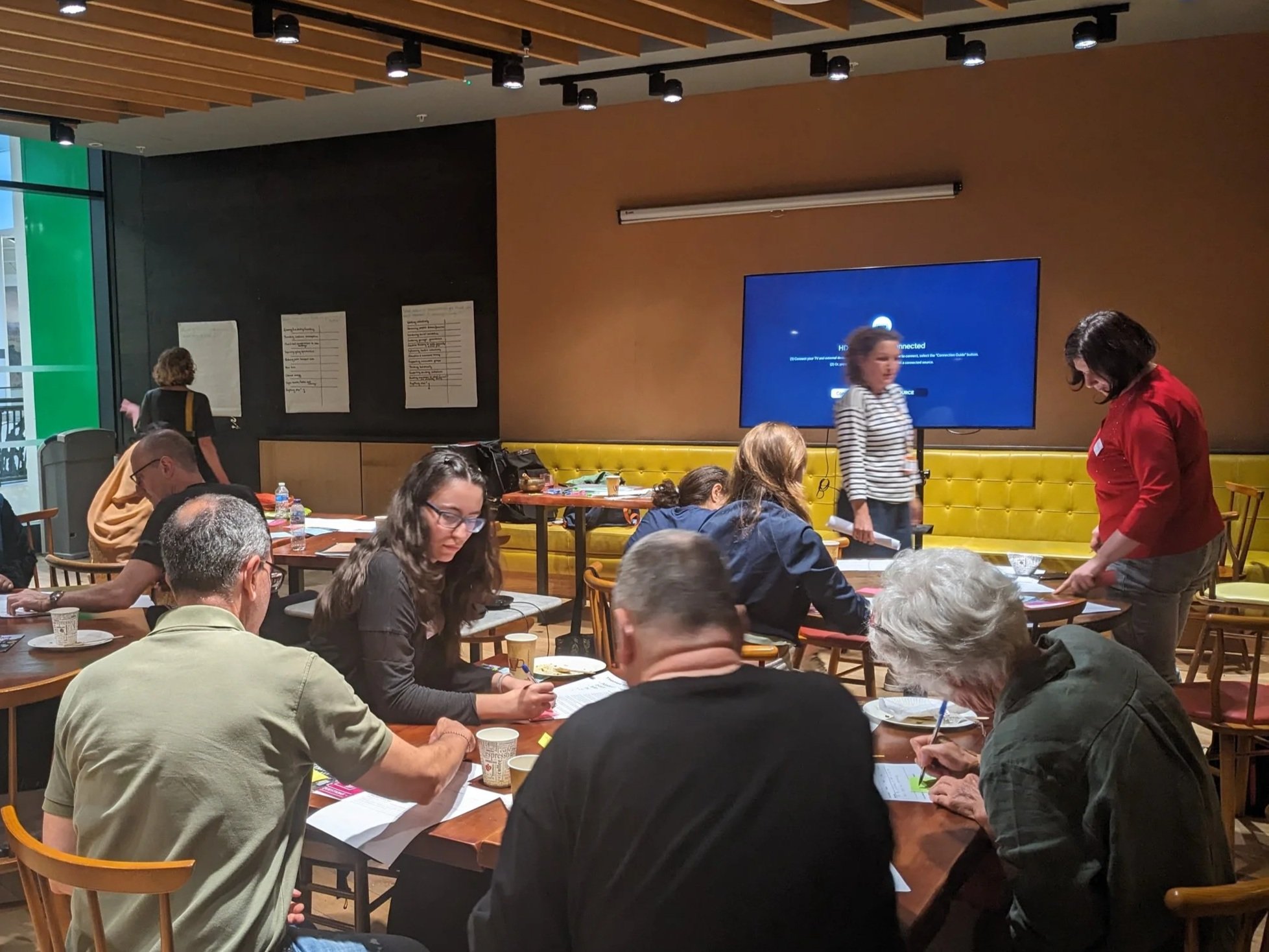
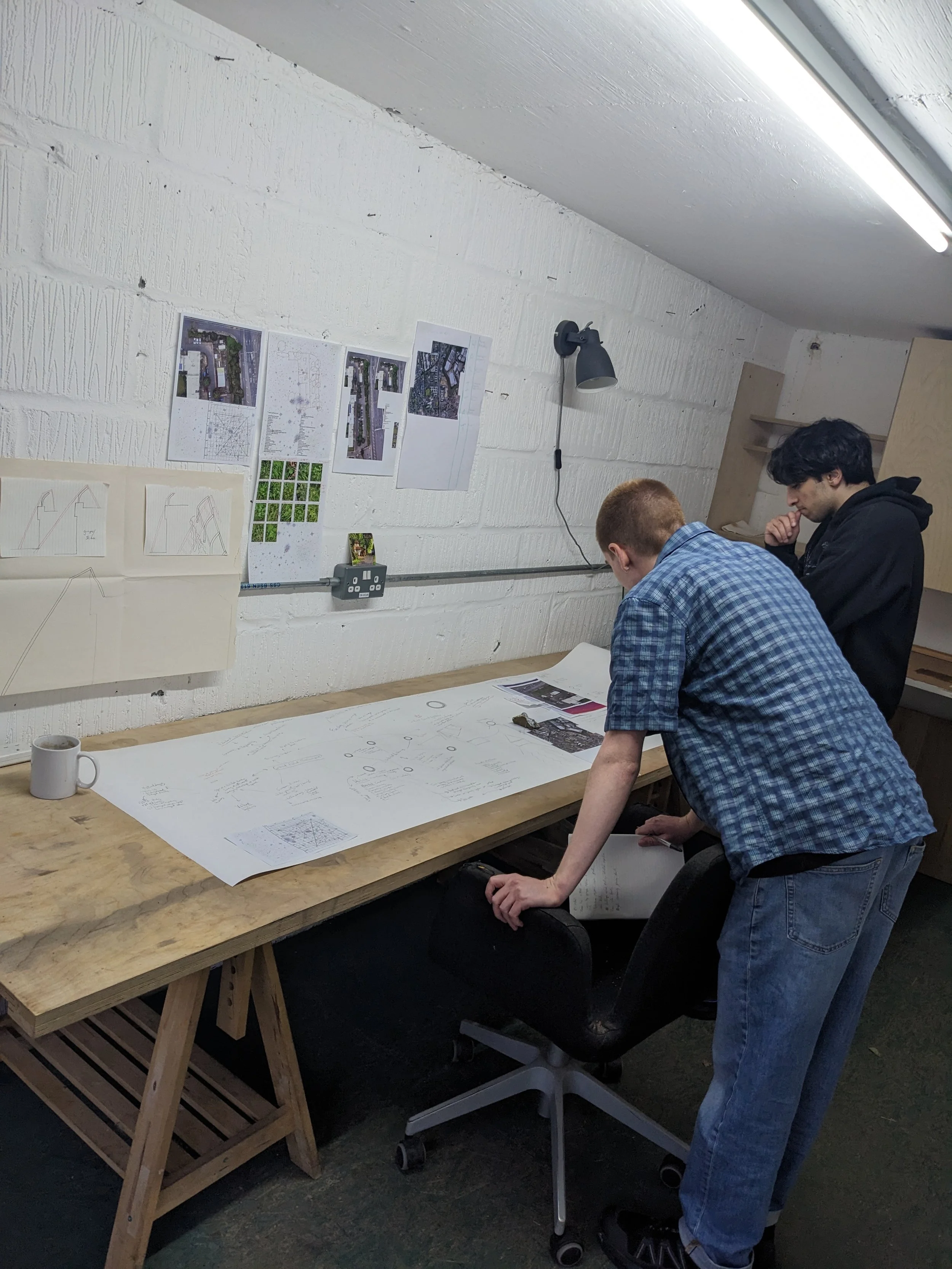
Attend the Design Workshop
We're hosting an event to support you to develop your ideas with other local people to make them application ready.
Saturday 19 September | 2:00pm–5:00pm | the Winch, NW3 3NR