
Reaching a range of people
To engage a truly diverse mix of people in the Good Neighbourhood Project, we needed more than a one-size-fits-all strategy. It wasn’t enough to reach the “usual suspects” - we wanted to hear from those who rarely get asked, who might not see themselves in community projects, and who often feel their voices go unheard in local decisions.
We flyered every social housing unit in the area and made sure materials were visible in everyday places: cafés, schools, shops, libraries, leisure centres. But more importantly, we didn’t wait for people to come to us - we went to them. We showed up at community centres, schools and local cafés, and set up stalls in busy locations to chat to passers by. As a participation worker, you have to let go of pride and lean into discomfort. You can’t demand attention - but you can earn it. This kind of face-to-face approach led to real conversations, and built trust which is imperative to this work.
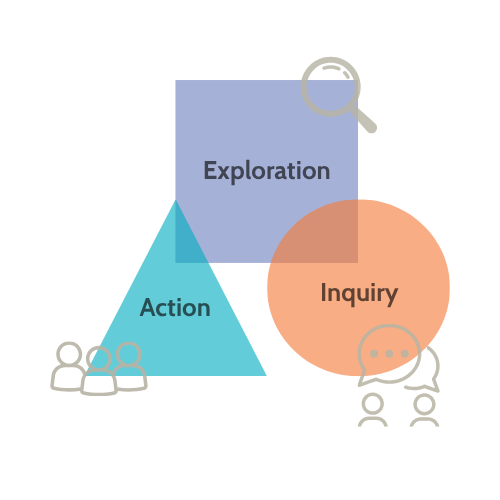
During the Inquiry phase with the Good Neighbourhood Collective, there were some challenges to participation which we needed to respond to. These included visual impairments, mobility limitations (e.g., stairs), transport issues, and the need to balance work, family, or studies. We took steps to minimise these barriers: choosing accessible venues with step-free access, covering transport costs, and ensuring communications used clear, large-font formats. We also had regular 1:1s with the neighbourhood organisers in order to gauge how they were finding the sessions, and uncover specific needs, challenges, or barriers they may have been facing. These conversations helped us respond more effectively to individual circumstances and played a key role in strengthening our relationships with individuals. Being flexible and adaptable is essential to sustaining people’s participation.
We debated whether to separate young people and adults into distinct groups, but after speaking with the Winch’s Deputy Youth Manager, we decided to bring everyone together. This turned out to be a positive decision and generated many benefits. Although some young people found the mixed group setting a bit intimidating at first, they began to reflect on its value. As one neighbourhood organiser said, “If it was just young people or just adults, it wouldn’t have worked as well. Adults might be more confrontational to each other, and if young people were grouped together, they might not encourage each other.” This feedback highlighted how the mix of age groups fostered mutual respect. Genuine relationships developed between participants, and young people gained valuable insight by observing adults navigate disagreement and discuss different perspectives. This intergenerational dialogue is particularly meaningful for the Winch, which is fundamentally a young person’s organisation but strives to build connections across the entire community.
Engaging young people meaningfully and consistently proved more difficult than we expected. While the mixed-age group dynamic worked better than anticipated, the timing of our youth peer mentoring project didn’t align well with their availability or priorities, with exams and summer holidays. In future, we could involve young people at an earlier stage - perhaps by holding a focus group to explore what timings would work best for them and what kind of roles they’d be interested in. It would also be beneficial to run sessions directly in schools and youth organisations, particularly during the exploration phase so they are familiar with the project from the outset. On reflection, we were quite insular in our approach, primarily engaging with young people already connected to the Winch.
One of our targets was also to engage with migrant communities. While some of the people we reached were migrants, we didn’t engage with these communities directly or in a focused way. Language, trust, and lack of existing relationships were barriers we didn’t plan well enough for. In future, we’d prioritise spending more time building relationships with local migrant-led groups and organisations, and exploring what formats or spaces would feel genuinely welcoming. This would help create clearer and more inclusive pathways into the project, especially for people who may not already feel connected to local organisations.
This kind of work is always a learning process. While we’re proud of what we achieved, there are things we’d do differently next time - from earlier youth engagement to building stronger links with migrant communities. What’s clear is that inclusive participation takes time, trust, and a willingness to adapt. As we move forward, we’ll take these lessons with us and keep finding better ways to involve the people who are too often left out of local decision-making.